How to Write Festive Lyrics Without Clichés: A UK Christmas Song Guide
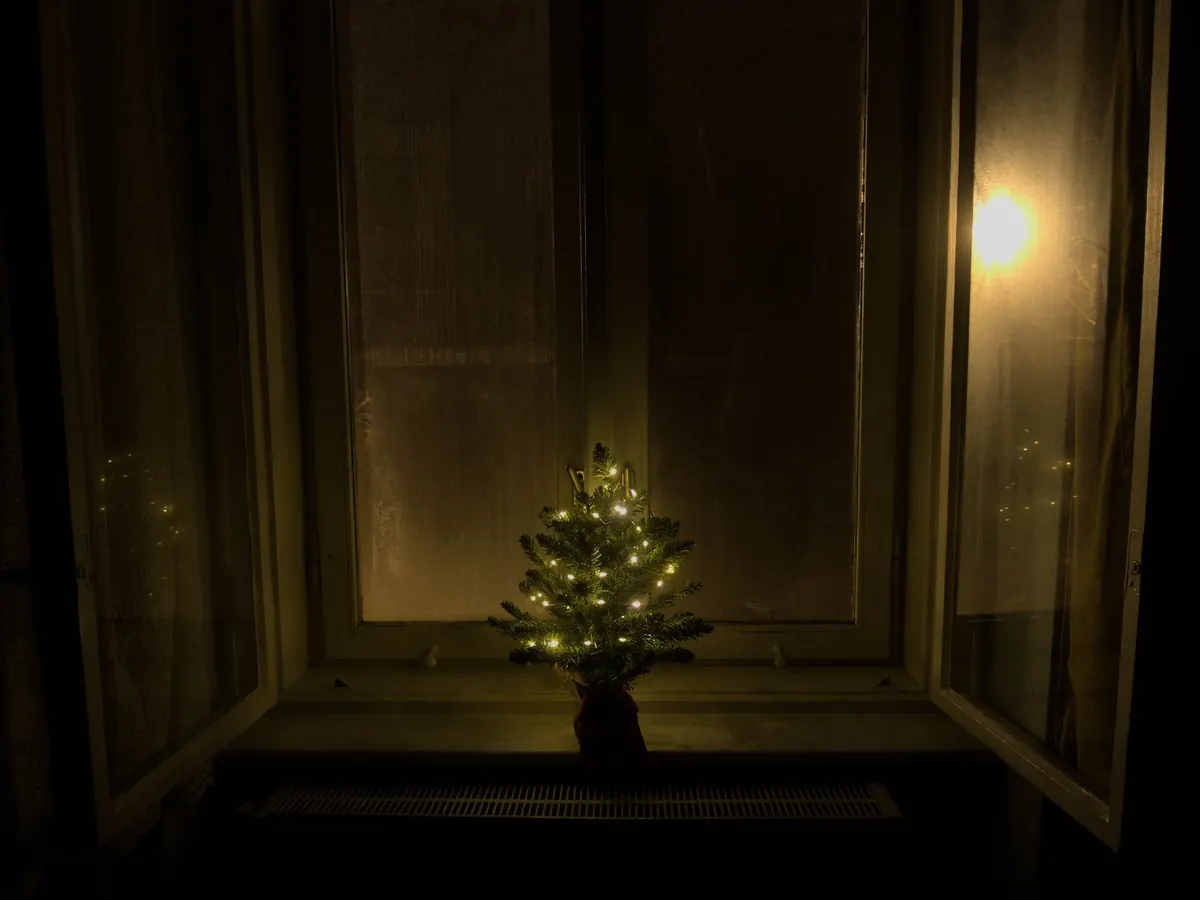
Most Christmas lyrics are written in a hurry, and it shows. The sleigh bells go on, the fire crackles, the snow falls, and by the second verse the song has described a Christmas card rather than a Christmas. None of those images are wrong in themselves. They are simply used so often that they have stopped doing any work.
Fresh festive lyrics come from the same place as any other good writing: a specific person, in a specific place, noticing something small. Here is how to find that, and how to keep it singable.
Words like snow, mistletoe and star are shortcuts. They signal Christmas instantly, which is handy when you have four lines to set a scene, and a problem when you have a whole song to fill. A listener's brain skips over familiar images and lingers on odd ones. "The telly's on with the sound turned down" tells us more about a family than "the fire is burning bright" ever will.
Try this test. Cover your lyric and ask what the song would lose if the word Christmas disappeared. If the answer is nothing — if no detail anchors it to December, to a kitchen, to a person — you are relying on shorthand.
Happiness and togetherness are moods, and moods are impossible to sing well because they are not pictures. Memories are pictures, and everyone has a stock of them.
Go back through Decembers and list ten moments without filtering. Not the big ones. The small ones.
Any of those could hold a chorus. Choose one image and build the song around it rather than piling up five.
Most festive lyrics use sight and, at a push, sound. That leaves the other senses almost untouched, and they are the ones that make a song feel lived in.
Note how many of those are slightly unglamorous. Good. A lyric that admits the burnt edge is more trustworthy than one that only offers cinnamon.
In the UK, a white Christmas is a wish rather than a forecast, and that is a gift for a writer. Sleet, fog, drizzle and a slow thaw are far more evocative than a soft-focus flurry. Frost on the inside of a window tells you something about a house's heating. Rain on a taxi window tells you someone is going home reluctantly. A grey afternoon that never quite gets light tells you how long December can feel.
Write a line in which the weather does something to a person. "It rained on the walk to the car and nobody spoke" is a scene. "Let it snow" is a greetings card.
Snow pulls mistletoe, glow and below. Night pulls light and bright. These pairings arrive so quickly that they write the lyric for you, which is why so many Christmas songs sound like one another.
If a rhyme is the first one you thought of, it is probably the first one everybody thought of.
The best festive songs do not describe a perfect Christmas, they describe a real one. That includes the awkward years: the first one after a death, the year somebody worked, the year money was tight, the year you spent it alone and it turned out to be fine.
You do not have to resolve any of it. A lyric that sits with a difficult feeling and finds one warm detail inside it will connect far more than one that insists everything is merry. Keep the language plain, and be kind to yourself while you write it.
Try this now, without stopping to correct anything.
Then make a single editing pass with one question: could this line appear in any other Christmas song? If the answer is yes, replace the noun. Swap the fire for the radiator. Swap the star for the security light next door. Swap home for the actual name of the actual place.
Festive lyrics do not need to be clever. They need to be particular. Write the Christmas you remember — the supermarket car park, the coat that smelled of smoke, the paper hat that split — and the song will do the rest.
Photo: Pálosi Ákos / Pexels
Previous Post
How to Write a Protest Song Lyric That Persuades, Not Preaches
Next Post
UK Open Mic Nights: How to Test New Lyrics in Front of an Audience